


 Send Inquiry
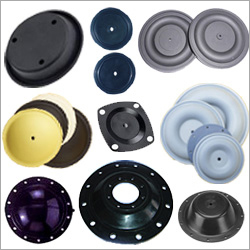
Neoprene Diaphragms
Neoprene Diaphragms Specification
- Diameter
- Up to 1000 mm
- Temperature Resistance
- -20C to +100C
- Compression Ratio
- 10-15%
- Color
- Black
- Surface Finish
- Smooth
- Rubber Type
- Neoprene (CR)
- Width
- Customizable (standard range: 50-500 mm)
- Components
- Rubber sheet, fabric reinforcement (optional)
- Tensile Strength
- 8-12 MPa
- Natural Rubber
- No, synthetic rubber (Neoprene)
- Nitrogen Content (%)
- Trace
- Thickness
- 0.3 mm to 10 mm
- Material
- Chloroprene Rubber (Neoprene)
- Resistance level
- High chemical and abrasion resistance
- Hardness
- 65 5 Shore A
- Usage & Applications
- Industrial sealing, pumps, valves, and actuators
- Ash %
- 1.5% max
- Volatile Matter (%)
- 2-4%
- Size
- Custom sizes available
- Weight
- Depends on size and thickness
- Thermal Conductivity
- Low
- Product Type
- Neoprene Diaphragm
- Feature
- Oil-resistant, Weather-resistant, Ozone-resistant
- Style
- Flat, reinforced or molded
- Flame Resistance Level
- Self-extinguishing (Neoprene property)
- Tolerance
- 0.2 mm
- Water Absorption
- Low, <5%
- Length
- Custom lengths available
- Density
- 0.05 Gram per cubic centimeter(g/cm3)
- Part Type
- Diaphragm
- Reinforcement Material
- Nylon, Polyester (optional)
- Permeability
- Low gas and moisture permeability
- Electrical Insulation
- Good
- Elongation at Break
- 200% minimum
- UV Resistance
- Excellent
- Suitable Media
- Oils, acids, alkalis, water, air
- Operating Pressure
- Up to 10 bar
- Corrosion Resistance
- Yes
Neoprene Diaphragms Trade Information
- Minimum Order Quantity
- 2500 Pieces
- Sample Available
- Yes
- Sample Policy
- Free samples are available
- Main Domestic Market
- South India, Gujarat, Maharashtra
About Neoprene Diaphragms
| Rubber Diaphragms with good elasticity level are reckoned as specially designed membranes that are fitted between two chambers on their circumference. Depending on pressure level, these diaphragms change their position by shifting one chamber slightly upward or downward over another chamber. The unique flexibility of these diaphragms is useful for inhibiting conveyance of working fluid between two chambers by enabling the effects of pressure to pass the barrier sans interchanging any media. The rubber made diaphragms are of two types. The Static variation of these items is instrumental in isolation of two different fluids and it moves slightly or remains fixed. Their dynamic variant acts as suitable sealing medium between fixed and movable items and has key role in transferring pressure or force. Diaphragm seal is used to get accurate response during change of pneumatic or hydraulic pressure. These diaphragms are used as essential sealing components for smooth operation of different machinery utilized in automotive, oil and gas refineries, aerospace manufacturing, valve production, medical instruments and pump manufacturing industries. MREW is involved in manufacturing of wide array of diaphragms that are meant for ensuring trouble free functioning of pressure sensors in pneumatic systems, pumps, control valves for accurate flow controlling purpose, pneumatic diaphragm pumps, wax actuators, high pressure diaphragm pumps, thermal actuators, diaphragm pressure gauges, pneumatic actuators, diaphragm vacuum pumps, actuators, diaphragm air compressors, diaphragm metering pumps and diaphragm fuel pumps. We have expertise in manufacturing of Rubber Diaphragms that have been made by using EPDM, silicon, neoprene, viton®,natural, nitrile and other grades of rubber. |
Exceptional Chemical and Mechanical Resilience
Neoprene diaphragms excel in resisting chemicals, abrasion, and harsh weather conditions. Their high tensile strength (812 MPa), combined with a Shore A hardness of 65 5, assures robust mechanical performance. The reinforced fabric options guarantee stability under repeated flexing and compression, making them a trusted choice for critical industrial processes where dependability is paramount.
Versatile Customization to Meet Application Needs
Available in widths from 50 to 500 mm and diameters up to 1000 mm, these diaphragms can be manufactured in custom lengths, thicknesses (0.310 mm), and styles (flat, reinforced, or molded). Their adaptable design enables precise installation in diverse settings, including pumps, valves, and actuators, catering to varied sealing and mechanical requirements across industries.
FAQs of Neoprene Diaphragms:
Q: How can neoprene diaphragms be customized for different industrial applications?
A: Neoprene diaphragms are available in various sizes, thicknesses (0.310 mm), widths (50500 mm), and styles, including flat, reinforced, or molded variants. Custom lengths and diameters (up to 1000 mm) are offered to suit specific requirements, ensuring compatibility with a broad range of equipment and sealing needs.Q: What makes neoprene diaphragms beneficial for use with aggressive chemicals and oils?
A: Neoprene diaphragms display high chemical and abrasion resistance, making them suitable for continuous exposure to oils, acids, alkalis, and other challenging media. Their low permeability to gases and moisture enhances containment efficiency, while excellent corrosion resistance prevents material degradation during prolonged use.Q: When should I choose neoprene diaphragms over natural rubber alternatives?
A: Neoprene diaphragms are preferred for applications requiring high resistance to oil, weathering, ozone, and chemicals. Their synthetic composition delivers superior durability, flame self-extinguishing properties, and operational reliability under temperatures ranging from -20C to +100C, unlike natural rubber, which may not offer similar resilience.Q: Where are neoprene diaphragms typically used in industry?
A: Neoprene diaphragms are commonly utilized in industrial pumps, valves, actuators, and sealing assemblies. Their versatility allows application in sectors dealing with fluid control, air management, and environments where chemical exposure or stringent operational demands are present.Q: What process ensures the quality and performance of these diaphragms during manufacturing?
A: The diaphragms are fabricated using high-quality chloroprene rubber with optional fabric reinforcement (nylon or polyester), maintaining strict tolerance (0.2 mm), ash content (<1.5%), and volatile matter (24%) parameters. Surface finish is kept smooth and density low (0.05 g/cm) to assure consistent mechanical and physical properties.Q: How does electrical insulation and UV resistance benefit neoprene diaphragm users?
A: Neoprene diaphragms provide reliable electrical insulation, minimizing electrical hazards in sensitive systems. Their excellent UV resistance prevents degradation and maintains material integrity during outdoor or high-exposure installations, prolonging lifespan and reducing maintenance frequency.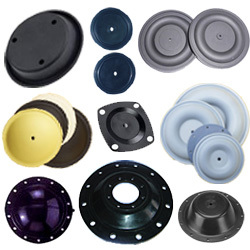

Price:
- 50
- 100
- 200
- 250
- 500
- 1000+

More Products in Rubber Diaphragms Category

FFKM Diaphragms
Minimum Order Quantity : 2500 Pieces
Surface Finish : Smooth/Matte
Rubber Type : FFKM
Width : Customizable as per requirement
Temperature Resistance : Up to 327C (620F)
Diameter : Up to 500 mm or as specified
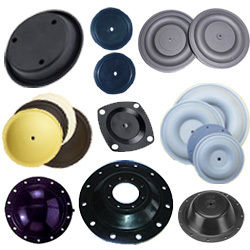
Nitrile (NBR or Buna-N) Diaphragms
Minimum Order Quantity : 2500 Pieces
Surface Finish : Smooth, Matte or Textured
Rubber Type : Nitrile (NBR/BunaN)
Width : Customizable as per requirement
Temperature Resistance : 40C to +120C (intermittent to 135C)
Diameter : Up to 1000 mm
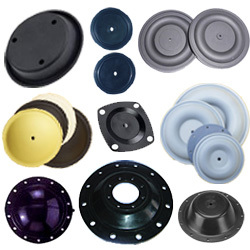
Butyl Diaphragms
Minimum Order Quantity : 2500 Pieces
Surface Finish : Smooth, matte
Rubber Type : Butyl rubber (IIR)
Width : Up to 600 mm (custom sizes available)
Temperature Resistance : 40C to +120C
Diameter : Up to 800 mm
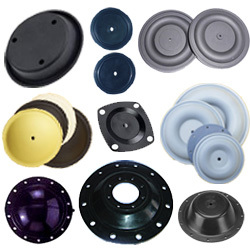
HSN/HNBR Diaphragms
Minimum Order Quantity : 2500 Pieces
Surface Finish : Smooth/Matte/Custom finish possible.
Rubber Type : HSN (High Saturated Nitrile Rubber) / HNBR (Hydrogenated NBR)
Width : Customizable as per requirement.
Temperature Resistance : 40C to +150C (brief peaks up to 165C).
Diameter : 12 mm to 600 mm or as specified.



Contact Details
GST : 27AGBPC9234F1ZO

 Send Inquiry
 |
MINERVA RUBBER & ENGINEERING WORKS
All Rights Reserved.(Terms of Use) Developed and Managed by Infocom Network Private Limited. |
