


 Send Inquiry
Metal To Rubber
MOQ : 2500 Pieces
Metal To Rubber Specification
- Tensile Strength
- 15-22 MPa
- Volatile Matter (%)
- < 2.0%
- Width
- Customizable as per requirement
- Rubber Type
- Natural, Neoprene, EPDM, Nitrile
- Size
- Available in standard and custom sizes
- Part Type
- Bonded assembly
- Thickness
- 3 mm to 50 mm
- Water Absorption
- Low
- Length
- Up to 1000 mm
- Components
- Metal substrate, rubber layer
- Flame Resistance Level
- Optional flame retardant grades
- Material
- Natural rubber, synthetic rubber, mild steel, stainless steel
- Ash %
- < 1.5%
- Usage & Applications
- Bonding metal components to rubber for industrial sealing, vibration absorption, machinery, automotive parts, and shock mounts
- Natural Rubber
- Available on request
- Product Type
- Metal To Rubber Bonded Component
- Tolerance
- 0.02 mm
- Feature
- High adhesion, durable bonding, and resistance to impact and vibration
- Style
- Molded and bonded construction
- Nitrogen Content (%)
- < 0.4%
- Resistance level
- Excellent to weather, oil, chemicals
- Diameter
- 10 mm - 300 mm
- Surface Finish
- Smooth, polished, or as specified
- Thermal Conductivity
- < 0.15 W/mK
- Color
- Black / Custom
- Compression Ratio
- Up to 15%
- Weight
- Varies by size and material
- Temperature Resistance
- -40C to +120C
- Density
- 1.3 Gram per cubic centimeter(g/cm3)
- Hardness
- 40-80 Shore A
- Manufacturing Origin
- India
- Shape Options
- Round, rectangular, custom
- Custom Printing
- Available
- Corrosion Resistance
- High for metal
- Storage Recommendations
- Store dry and cool; away from direct sunlight
- UV Stability
- Good
- Ageing Resistance
- Excellent
- Regulatory Compliance
- RoHS, REACH upon request
- Processing Technology
- Injection and compression molding
- Noise Damping Capability
- Superior
- Bonding Method
- Chemical adhesive and vulcanization
- Shock Absorption
- High
Metal To Rubber Trade Information
- Minimum Order Quantity
- 2500 Pieces
- Main Domestic Market
- South India, Maharashtra, Gujarat
About Metal To Rubber
Joining Rubber To Metal is a very conventional method which is followed in different manufacturing works. This technique which is used to develop bonded rubber acts as an excellent acoustic insulation medium in instrumentation engineering arena, in construction industry and during production of automotive parts. Both metal and rubber possess separate attributes. Therefore, the combined characteristics of rubber and metal produces advanced quality sealing part with compact shape, exceptional sealing capacity, outstanding shock absorption ability and high strength.
The bonding process of rubber and metal involves utilization of three basic elements that include bonding agent, rubber and metal.
The Rubber To Metal connecting procedure is executed by applying bonding agents onto metal in spray form and by placing the sprayed metal substrate on untreated rubber. The bonding process is complete after curing of rubber.
State of the art manufacturing technique is adopted by MREW for successful implementation of all the stages of this method.
The bonding process of rubber and metal involves utilization of three basic elements that include bonding agent, rubber and metal.
The Rubber To Metal connecting procedure is executed by applying bonding agents onto metal in spray form and by placing the sprayed metal substrate on untreated rubber. The bonding process is complete after curing of rubber.
State of the art manufacturing technique is adopted by MREW for successful implementation of all the stages of this method.
Superior Bonding Technology
Utilizing advanced chemical adhesives and vulcanization, our Metal to Rubber bonding ensures a secure, high-performance bond ideal for demanding industrial environments. These methods provide a resilient interface between metal and rubber, resulting in products that endure intense shocks, vibrations, and environmental exposures, while maintaining lasting integrity.
Customization & Versatility
Choose from round, rectangular, or fully custom shapes, with standard or bespoke dimensions to fit your application. Our assemblies can be produced from a variety of materials, including natural and synthetic rubbers as well as mild or stainless steel, to match the needed resistance and mechanical properties for optimal use.
Compliance & Quality Commitment
Manufactured in India under stringent quality controls, our products comply with RoHS and REACH upon request. They display low water absorption, excellent thermal properties, and offer options for flame retardancy. The surface finish, color, and printing can all be adapted to your specifications for precise integration.
FAQs of Metal To Rubber:
Q: How are metal to rubber bonded assemblies produced?
A: Metal to rubber bonded assemblies are produced using chemical adhesives and vulcanization, combined with either injection or compression molding. This process creates a strong, durable bond between the metal substrate and rubber layer, ensuring excellent mechanical properties.Q: What are the main benefits of using metal to rubber bonded parts?
A: These parts offer superior noise damping, high shock absorption, impressive corrosion and ageing resistance, and reliable performance in harsh conditions. Their customizable shapes and resistance to chemicals, oils, and weather make them ideal for demanding industrial and automotive applications.Q: When should I use a metal to rubber bonded assembly?
A: Such assemblies are recommended when reliable vibration absorption, sealing, or impact resistance is essential. They excel in machinery, automotive systems, shock mounts, and where environmental durability is a priority.Q: Where are metal to rubber bonded assemblies typically applied?
A: They are widely used in industrial sealing, automotive parts, machinery components, and vibration or noise control systems. These assemblies can be found wherever metal and rubber need to function together under stress or environmental exposure.Q: What customization options are available for these assemblies?
A: You can customize the shape, size (diameter, width, length, thickness), material (natural or synthetic rubbers, various metals), hardness (40-80 Shore A), surface finish, and even request custom printing. Regulatory compliance and flame retardant grades can also be specified.Q: How should I store metal to rubber bonded products to maintain quality?
A: Store these products in a dry, cool environment away from direct sunlight to ensure optimal longevity and performance.Q: What quality standards and regulatory compliances are met?
A: Assemblies can be manufactured to meet RoHS and REACH requirements upon request, with manufacturing adhering to strict quality standards in India to assure consistent product performance.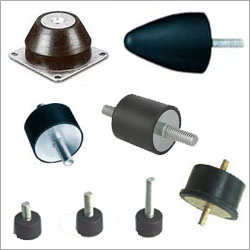
Tell us about your requirement

Price:
Quantity
Select Unit
- 50
- 100
- 200
- 250
- 500
- 1000+
Additional detail
Mobile number
Email


Quick Inquiry


Contact Details
MINERVA RUBBER & ENGINEERING WORKS
GST : 27AGBPC9234F1ZO
GST : 27AGBPC9234F1ZO
24, Sainath Industrial Estate No. 2, 7359 / 6514, Off Aarey Road, Goregaon (East), Mumbai - 400063, Maharashtra, India
Phone :08045479438
Mrs. Minija Kamble
(Business Development Manager)
Mobile :08045479438
Mr. N. CHELLAPPAN
(Chairman and Managing Director )
Mobile :08045479438
Mr Manoj Chellappan
(Chief Executive Officer, Sales and Marketing)
Mobile :08045479438

 Send Inquiry
 |
MINERVA RUBBER & ENGINEERING WORKS
All Rights Reserved.(Terms of Use) Developed and Managed by Infocom Network Private Limited. |
